Fast-Track Your Solar and EV Charger Upgrade in Hobart
At 4Front Services, we design and install integrated solar and EV charging solutions for homes and businesses in Southern Tasmania, including all required switchboard, wiring, and metering work. Our goal is to coordinate every step for you so your upgrade is safe, compliant and completed with minimal delays and long-term savings in mind.
Getting solar and an EV charger installed in Hobart should feel simple, not stressful. The order you do things in matters a lot, especially when switchboards, metering and DNSP approvals all need to line up before anyone turns a screw on your roof.
At 4Front Services, we provide fully in-house electrical work for homes and businesses in Southern Tasmania. That includes solar, EV chargers, heat pumps and security, all planned together so you avoid delays, repeat visits and surprise changes halfway through. This guide walks through the timeline from first quote to final inspection so you know what happens first, who does what and when each trade should be booked.
Start with Your Goals and Local Site Conditions
Before anyone talks panel counts or charger speeds, it helps to be clear on what you want your system to do over the next few years. Different goals lead to different designs.
Common setups include:
- Rooftop solar only
- EV charger only
- Solar plus EV charger
- Solar, EV charging, heat pump and basic energy monitoring
If you think you might add a heat pump, battery or extra EV later, your electrician can allow for it in the switchboard design, cable sizing and gear placement. It is cheaper and easier to plan for this early than to rebuild things later.
Local conditions in Hobart and Southern Tasmania also shape the design. We often look at:
- Roof orientation and winter shading from tall gums or nearby hills
- Corrosion risk and wind exposure in coastal suburbs
- Wiring age and condition in older weatherboard homes
- Whether you have off-street parking or a garage that suits EV charging
- Typical winter solar production and how your usage shifts between seasons
An early on-site visit by experienced electricians in Southern Tasmania is one of the best ways to avoid rework. This is when issues like asbestos meter panels, undersized mains or heritage limits on visible roof gear can be picked up before any DNSP application is lodged.
Switchboard and Wiring Checks First
For combined solar and EV charger projects, the switchboard is the starting point. If the heart of your electrical system is not ready, nothing else can move ahead safely or legally.
During a switchboard and wiring check, your electrician will usually review:
- Number of phases to the property
- Main service capacity and fuses
- Condition of the meter panel and enclosure
- RCD protection and surge protection
- Spare ways for solar, EV charger and any future loads
- Quality and size of consumer mains and earthing
If upgrades are needed, it is normally best to line them up with your solar and EV install instead of doing them as separate jobs. This can save wall space, cable runs and time on site.
Practical timing tips:
- Book your inspection and quote as early as you can before the busy winter and summer periods in Hobart.
- Ask for a clear scope that shows what must be upgraded now and what is future-ready.
- Lock in dates so switchboard work flows straight into solar and EV charger installation.
DNSP Approval, Metering and Installation Day
In Southern Tasmania, the local DNSP has to approve new solar systems and higher-capacity EV chargers that connect to the grid. This step comes before any panels are turned on.
The basic process usually looks like this:
- Your electrician gathers site details and your usage goals.
- A design is created for the solar and EV charging load.
- A DNSP application is submitted based on that design.
- Conditional approval is issued, sometimes with limits or conditions.
- Metering changes or smart meter upgrades are arranged with your retailer.
Approval times can vary, so it is smart to hold off locking final installation dates until your electrician has DNSP sign-off. At 4Front Services, we manage these steps for our projects so you are not chasing the DNSP or retailer yourself.
Installation Steps for Combined Solar and EV Chargers
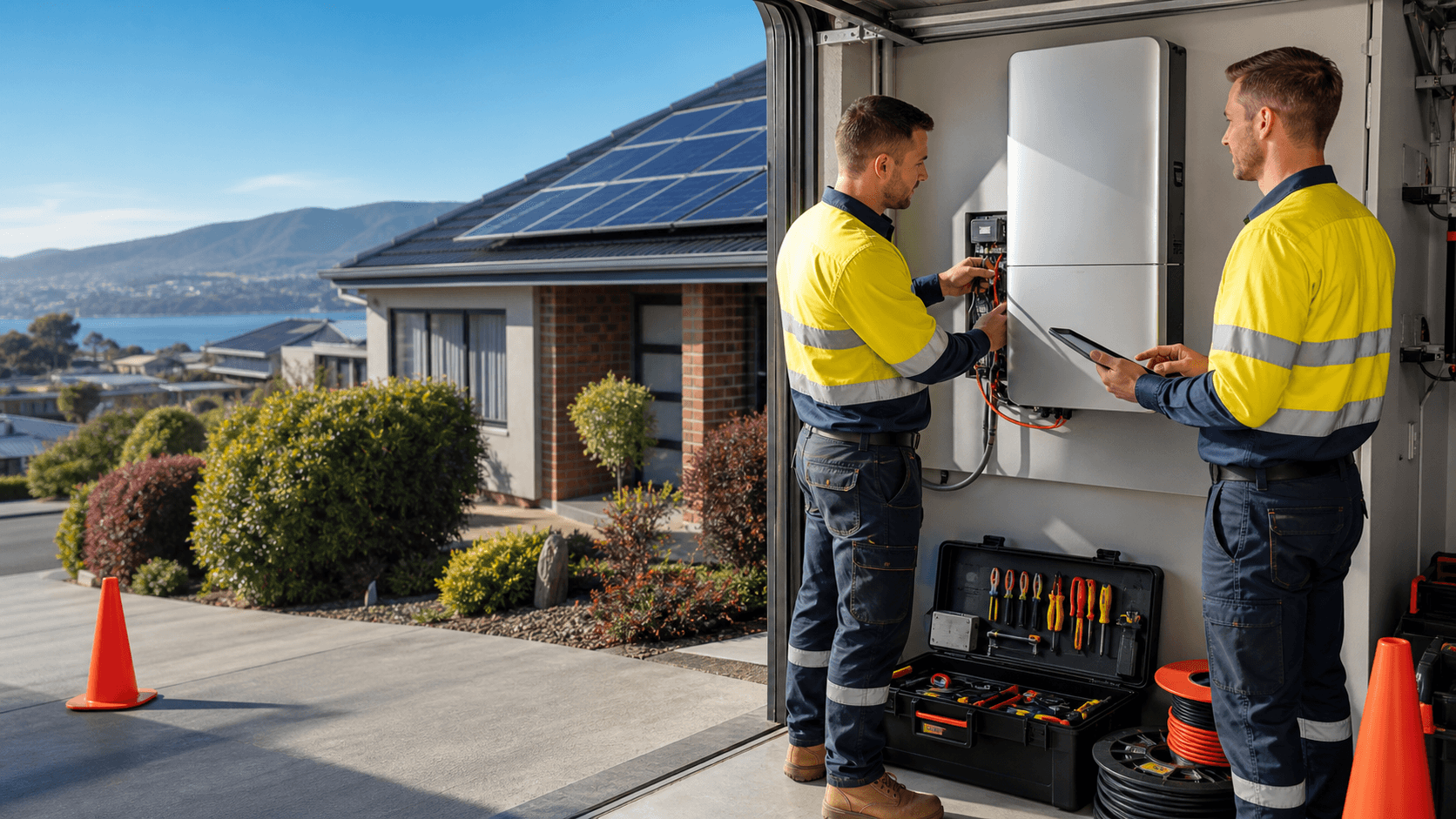
On installation day for combined solar and EV in Hobart and Southern Tasmania, you can typically expect:
- Pre-start review: The team arrives and confirms the plan with you. Site safety checks are completed.
- Roof and panel installation: Roof mounting rails are fixed with appropriate methods for local wind and corrosion conditions. Solar panels are installed and secured.
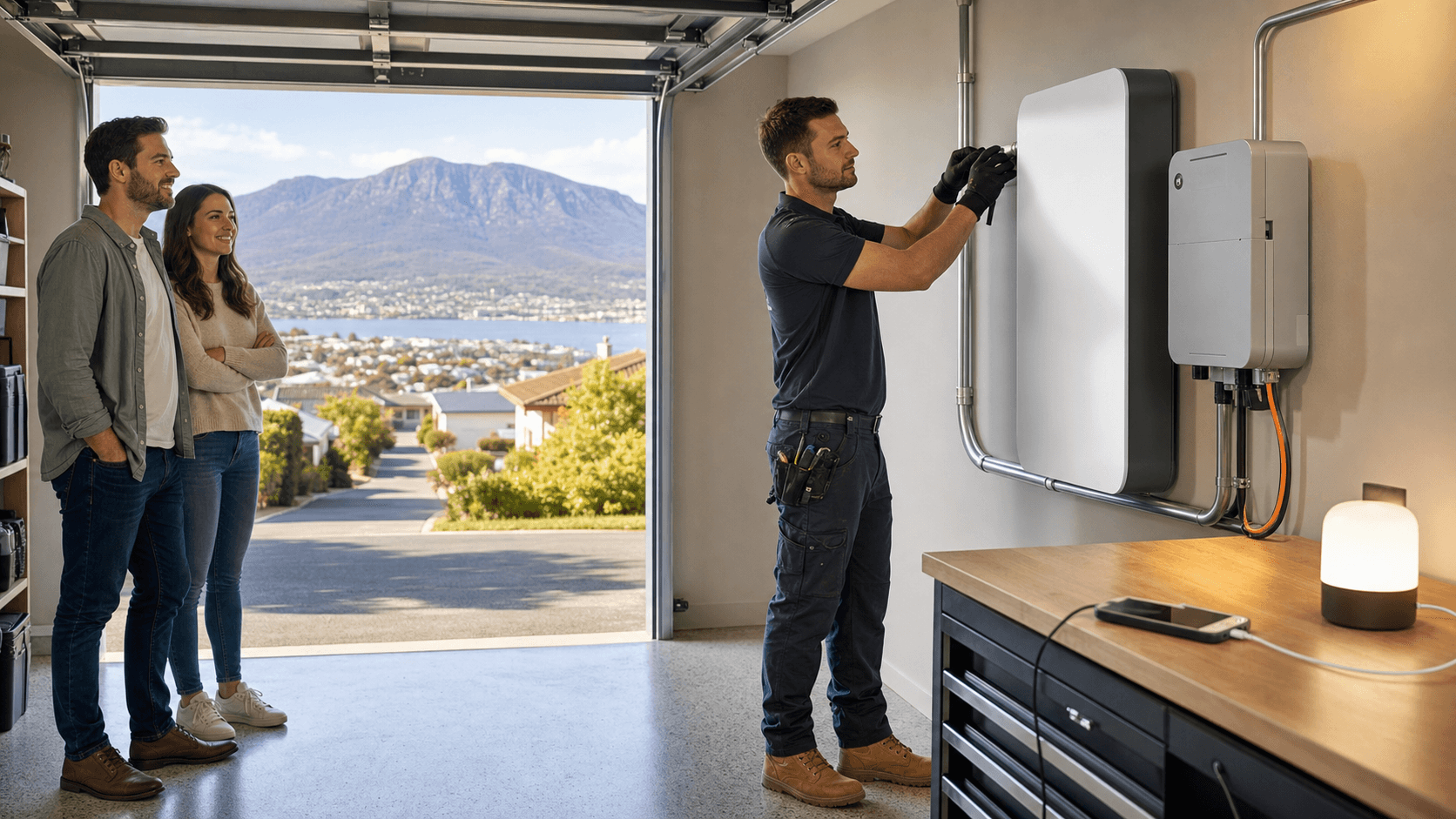
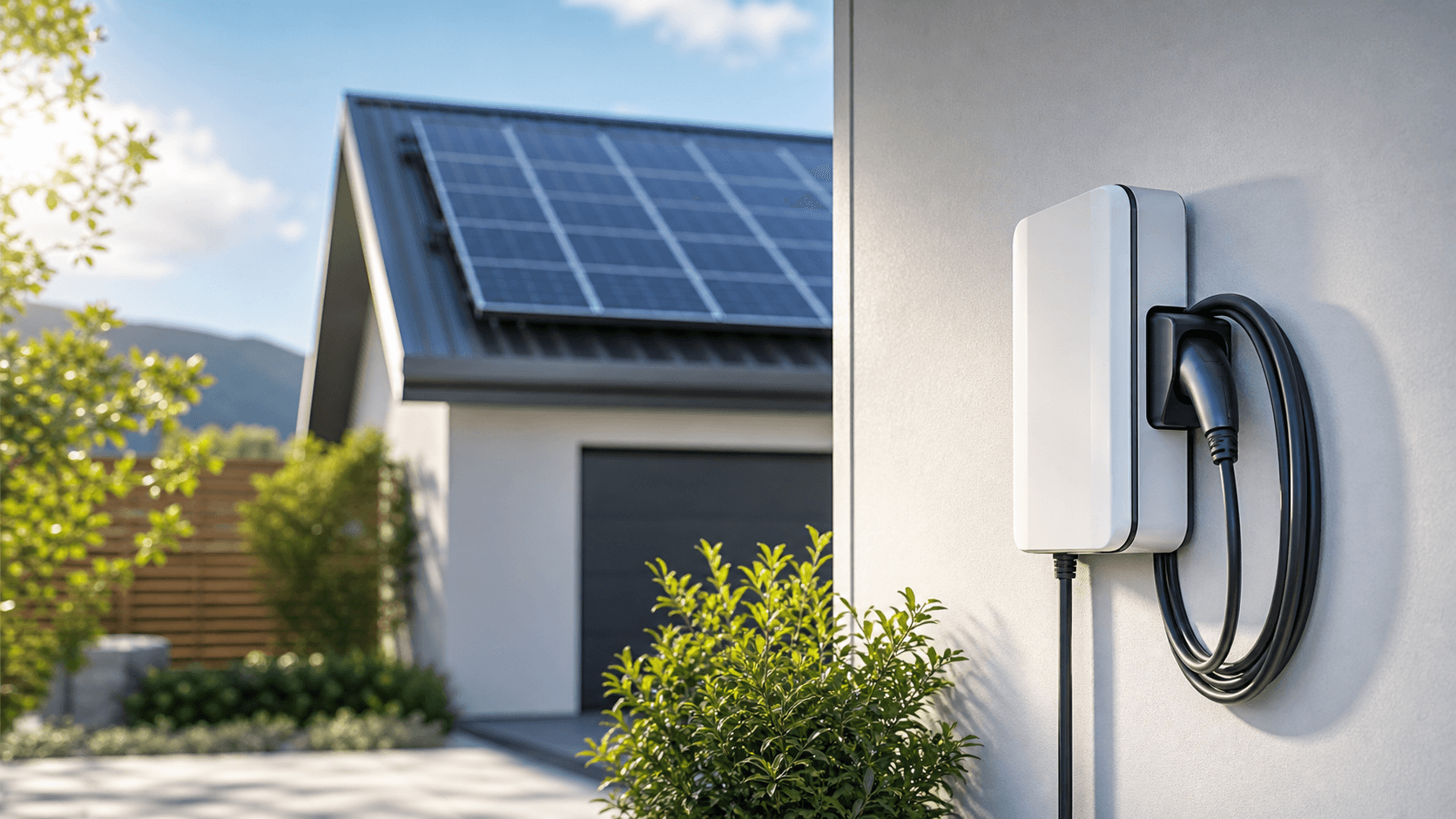
- Inverter and EV charger installation: Inverter and EV charger are fixed to suitable internal or external walls or structures. Locations allow for weather exposure, cable runs and future expansion.
- Cabling and switchboard work: Cables are run neatly to the switchboard. Any switchboard changes, safety devices and labelling are completed.
- Testing, commissioning and handover: System testing and commissioning are carried out. Apps and monitoring are set up so you can track solar production and EV charging. The team conducts a tidy-up and basic walk-through of how everything works.
In Tasmania, independent electrical inspections are an important part of the process. An inspector checks that the work meets current standards and DNSP requirements. Once passed, your system can be safely energised so your solar can start exporting and your EV charger can operate at its designed capacity. In winter, shorter days, rain and wind can affect roof work and inspector availability, so planning ahead is helpful.
2025 Tasmanian Solar and EV Incentives & Integrated Planning
There are usually incentives that apply to solar PV systems, along with different tariffs and schemes that can improve the payback on EV charging and efficient electric heating. These are often time-sensitive, so design and paperwork need to line up with any planned step-downs or policy changes.
Key points to keep in mind for 2025:
- Federal solar incentives (STCs) are commonly applied as an upfront discount on quotes, and the value can change year to year.
- Feed-in tariffs and EV or energy-efficiency schemes in Tasmania can change with little notice based on state policy and retailer offers.
- Acting before known deadlines can shorten the time it takes for upgrades to pay for themselves, especially if you are planning larger systems or multiple EV chargers.
We keep a dedicated Tasmanian incentives guide current each year so homeowners and businesses can see what is available, what is changing in 2025, and how soon you may need to act, without having to sort through fine print alone.
When you plan your home or business as a whole, instead of one gadget at a time, you can get better results. Bundling solar, EV charging, heat pumps and simple monitoring in a single upgrade can mean:
- Shared switchboard and cabling upgrades instead of repeating work.
- Smarter load management so you stay within supply limits.
- Better tariff choices that suit when you use power in Tasmanian seasons.
- A clear path to future EVs or a battery if you want one.
For businesses, this might be solar plus several EV chargers for a growing fleet. For homes, it might be rooftop solar now, with space and capacity allowed for a future EV, ducted heat pump and maybe a battery later. With modern inverters and EV chargers, app-based monitoring gives you remote peace of mind so you can see what the system is doing, spot any issues early and confirm that your expected savings are on track.
Why Choose 4Front Services for Solar and EV in Southern Tasmania
Some reasons people choose us for solar and EV projects include:
- Local expertise: Based in Southern Tasmania, with a team that understands Hobart's climate, coastal corrosion risks and local building styles.
- Fully in-house electrical services: In-house electricians who handle solar, EV chargers, switchboard work, heat pumps and security for coordinated planning.
- Strong DNSP and metering experience: Experience working with TasNetworks approvals and metering changes to keep your project moving.
- Clear communication and planning: Clear scopes, realistic timelines and plain-language communication from first quote to final inspection.
- Future-ready, reliable designs: Designs that focus on long-term reliability, future expansion and total running costs, not just the lowest upfront price.
Hobart Solar and EV Timeline FAQs
How Long Does Solar + EV Charger Install Take in Southern Tasmania?
Timing depends on DNSP approvals, metering changes and how much switchboard work is needed. Many projects move from quote to switch-on over several weeks, with the actual on-site installation usually finished in one or two days, plus time for inspection and metering.
Do I Need to Upgrade My Switchboard for EV Charger or Solar?
Older homes often need at least some switchboard or mains upgrades for safety and capacity. Your electrician will confirm this after inspecting your existing board, wiring and earthing.
Who Handles DNSP Approvals and Metering Changes, Me, the Retailer, or the Electrician?
For our projects, we handle the DNSP application and coordinate metering requests with your retailer, keeping you updated so you are not stuck between different companies.
Can I Install Solar Now and Add an EV Charger Later Without Redoing the Switchboard?
Yes, as long as the switchboard and mains are sized and arranged with that future charger in mind. This is why early planning for future loads is so helpful.
Will Hobart Winter Weather Delay Installation or Hurt Performance?
Bad weather can reschedule roof work or inspections, so builds sometimes need flexible dates in winter. Solar output is lower in winter than in summer, but systems are designed to work year-round for Tasmanian conditions.
Requirements for Commercial Properties Adding EV Chargers and Solar
Commercial sites often need more detailed load assessments, staged works and careful DNSP engagement because of higher demand and more complex switchboards.
What Rebates and Incentives Can I Access Before I Install?
Solar systems usually qualify for federal incentives, and there may be other schemes or tariffs that apply to EVs and efficient electric upgrades in Tasmania. These offers can change from year to year, so it helps to confirm current options during your quote and lock in your plan before known deadlines shown in our current-year incentives guide.
Get Started With Your Project Today
If you are ready to make your home safer, more efficient and future proof, our experienced electricians in southern Tasmania are here to help. At 4Front Services, we listen carefully to what you need and tailor our work to suit your home and budget. Share a few details about your project and we will provide clear advice, timing and pricing. To book a visit or request a quote, simply contact us and we will be in touch promptly.